Our story

What makes this land special can be kept, but not by accident.

Who we are

A citizens' organisation, not an institution.
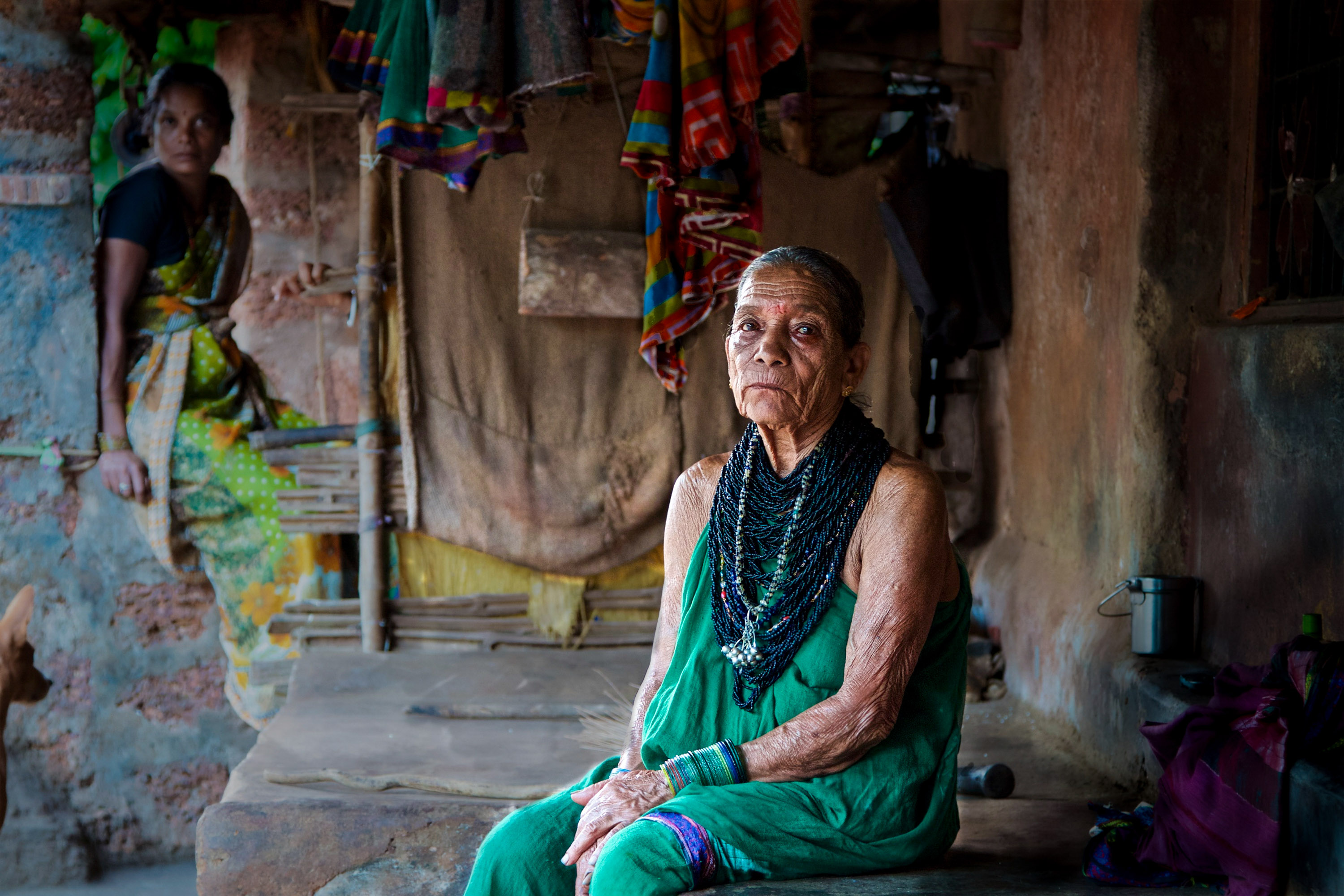
A Halakki woman at her home in Uttara Kannada, near the Goa border

A Halakki woman at her home, Uttara Kannada

Communities like the Halakki, an indigenous tribe of Uttara Kannada whose villages sit right at Goa's northern border, carry exactly the kind of living culture and oral heritage Echo Goa exists to document, sung tradition, distinctive dress, a way of life still closely tied to land and season.

Echo Goa, the Environment, Culture and Heritage Organisation of Goa, began the way most durable things in this state begin: with a small group of people who noticed something slipping and decided to stay and pay attention rather than look away.

We are field workers, artists, researchers, students and ordinary residents. Some of us document forests and creeks, some record the last people who remember a particular song or ritual, some measure and photograph laterite structures before they disappear under new construction. None of it happens from a distance. All of it happens on the ground, in villages, at panchayat meetings, on early morning walks that end somewhere unexpected.

We chose the name Echo deliberately. An echo is what returns when something calls out and the land answers. Goa's forests, festivals and old stone walls are still answering, if anyone cares to listen. That is the work.
Where it started

A note on how we began.

2026

Echo Goa formalised as a citizens' initiative to bring environment, culture and heritage work under one roof, having recognised that the three are rarely protected in isolation. Real programme milestones, dates and outcomes will be added here as they are documented.

Behind the scenes

Documenting as we go.

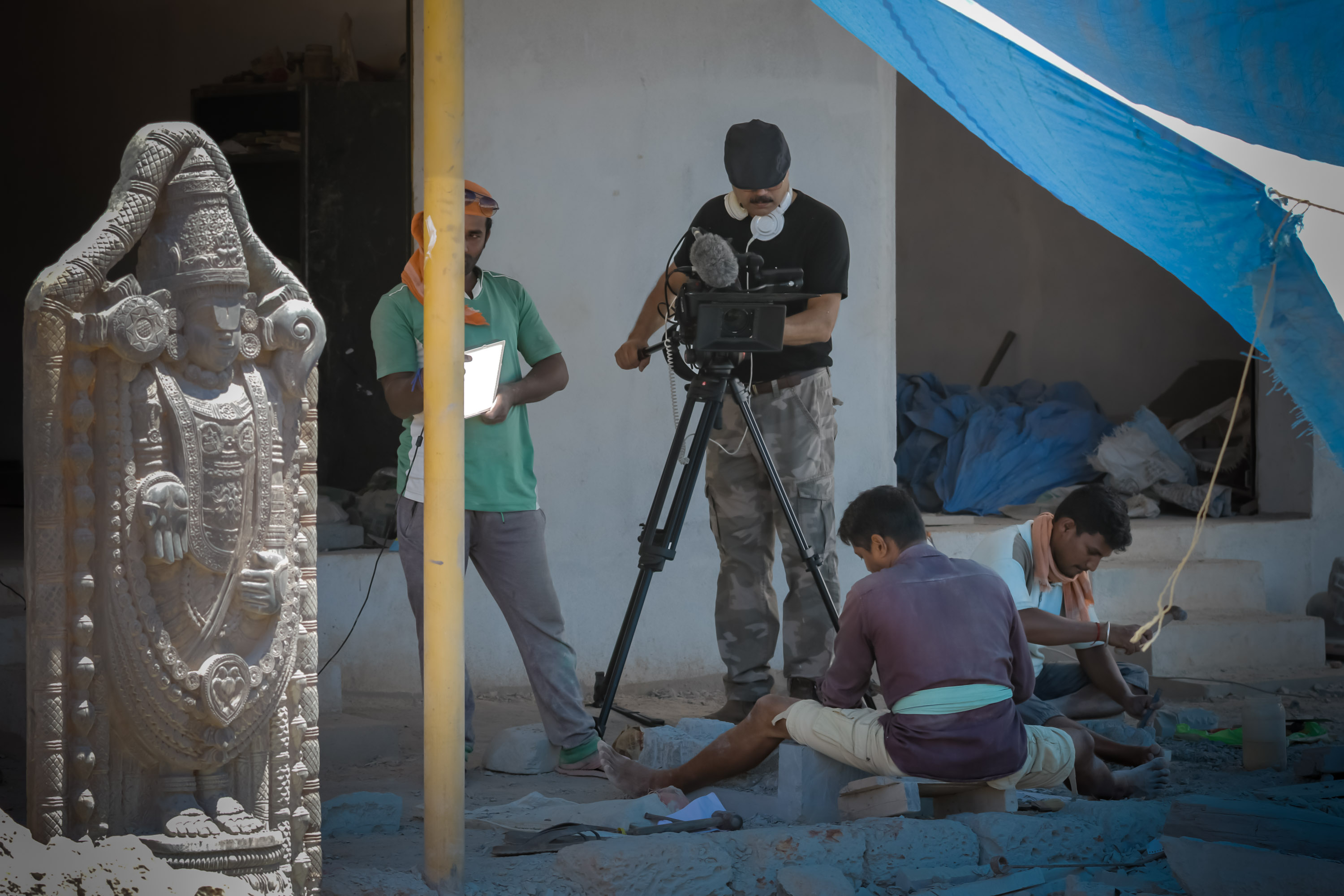
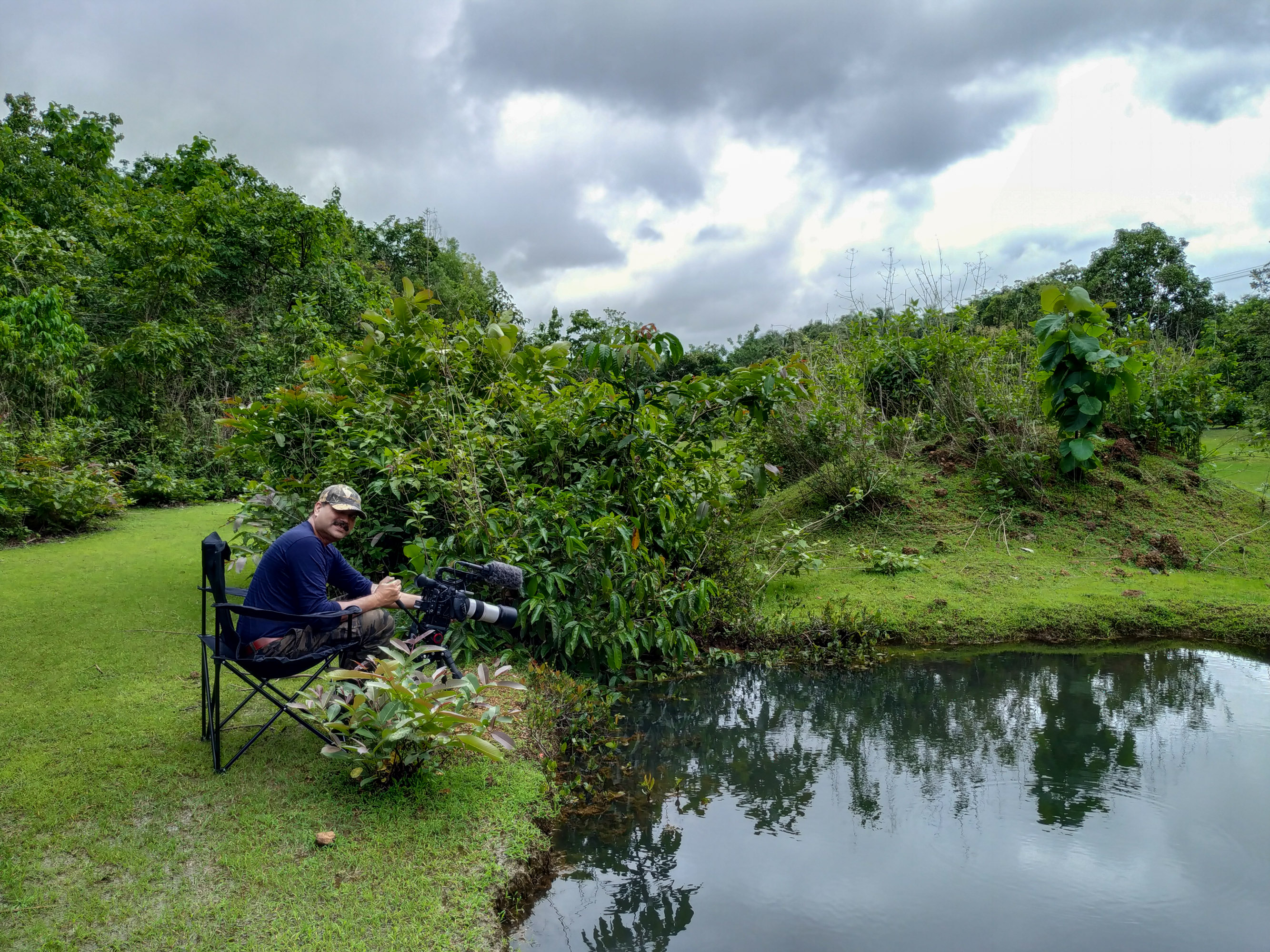
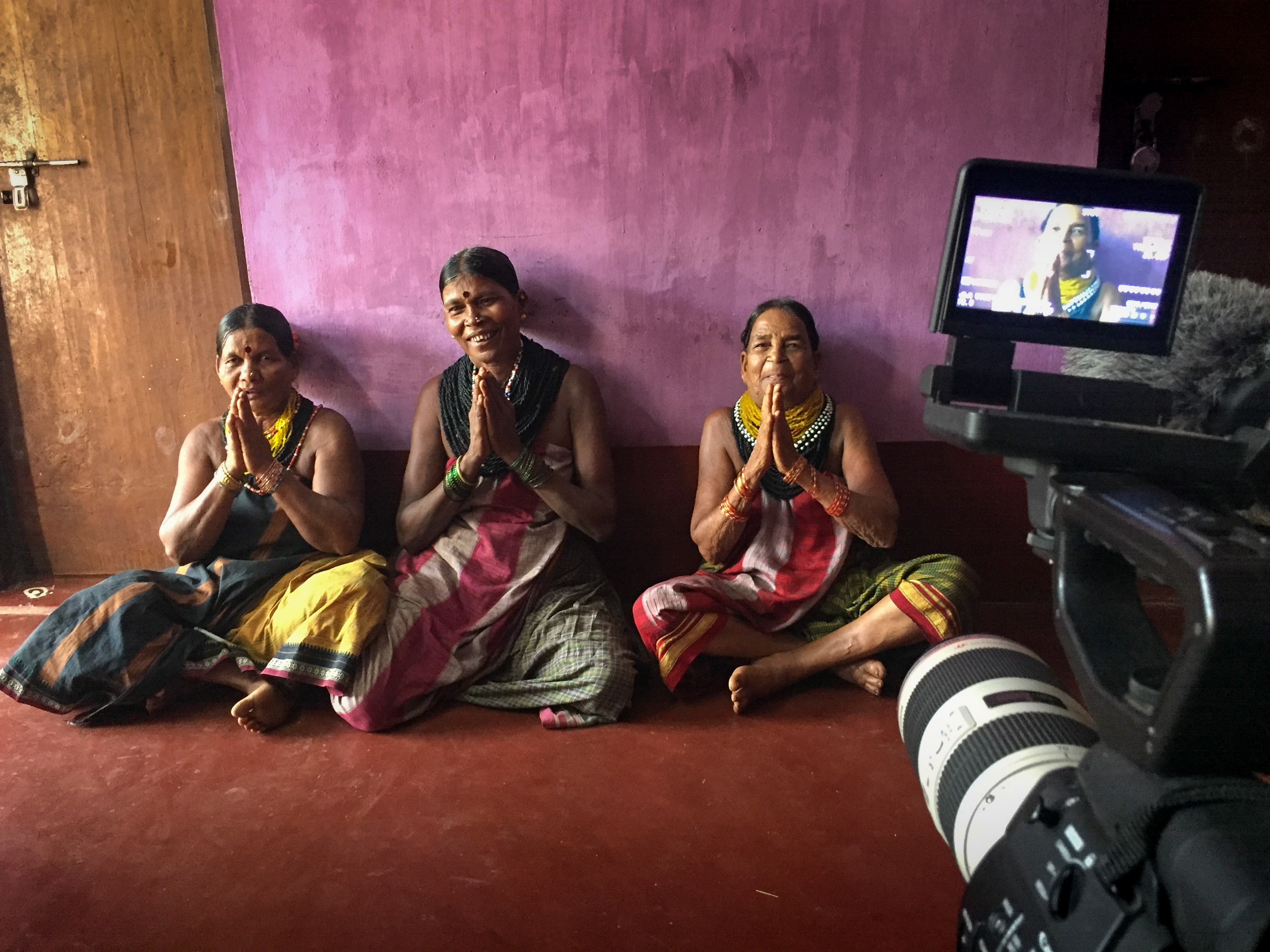
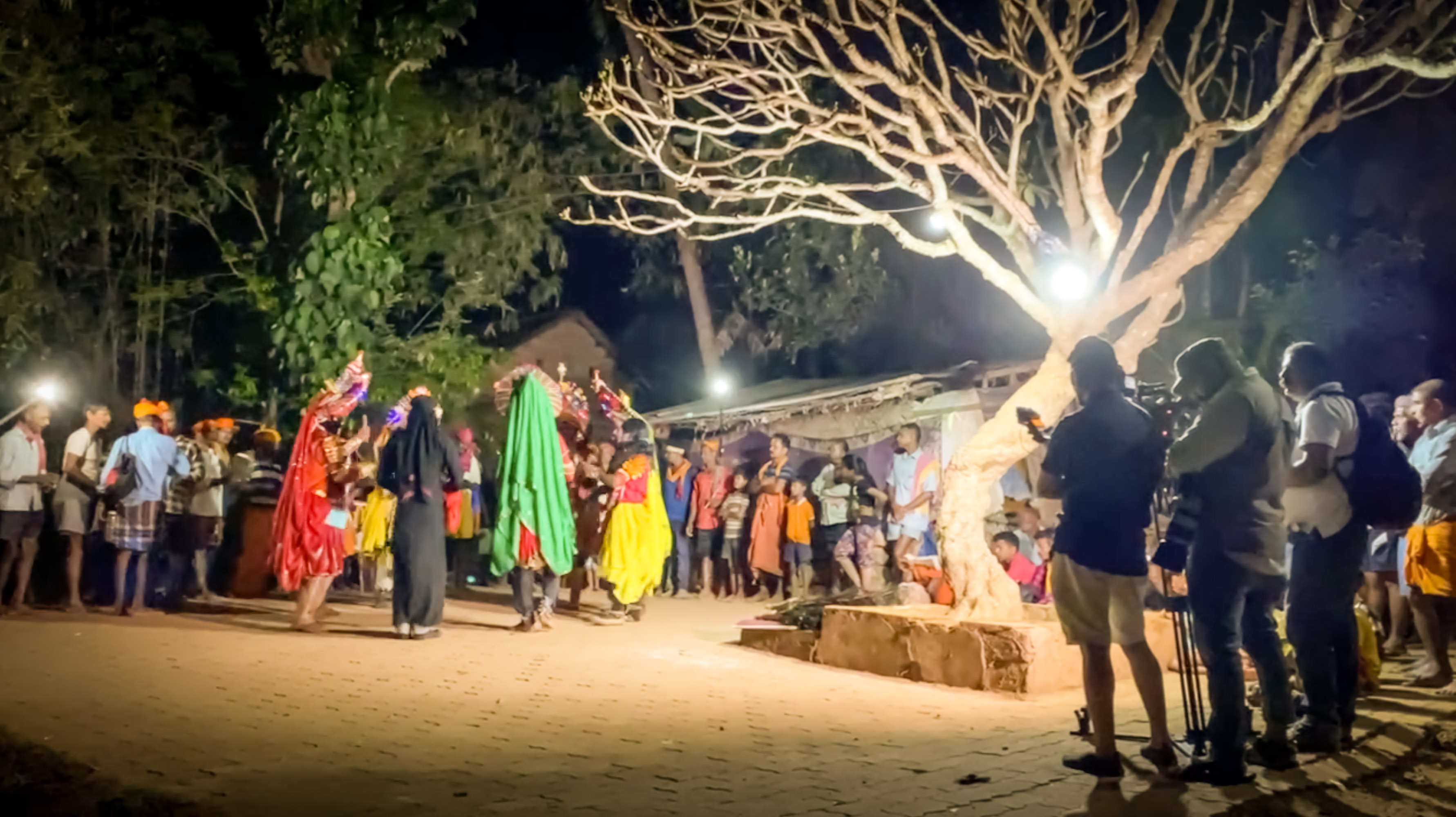
A few frames from a documentary shoot on the Halakki community of Uttara Kannada, whose villages border Goa to the north, folk song, festival attire, and daily life around their traditional mud homes.

Filming Halakki women singing

Recording the Halakki singing women

Filming the Halakki Sugi dance festival on Holi night

On location, Sugi dance festival, Holi night

Filming local granite carvers

With the local granite carvers

Filming marine life of a small lake

Recording marine life of a small lake

What guides us

Four commitments we hold ourselves to.

Local first

We work with the people who already live with these forests, songs and structures, not around them.

Evidence over alarm

We document carefully before we speak publicly, so what we say holds up.

Open work

Records, findings and programme outcomes are shared, not held close.

Patient pace

Forests and traditions are not saved in a single campaign. We plan for years, not news cycles.

See what these commitments look like in practice.

View our activities